Concrete Crack Repair in Naperville, IL
We fill and repair cracks in concrete floors in garages, basements and businesses across Naperville, Illinois.
- Quotes in writing
- 21 areas covered
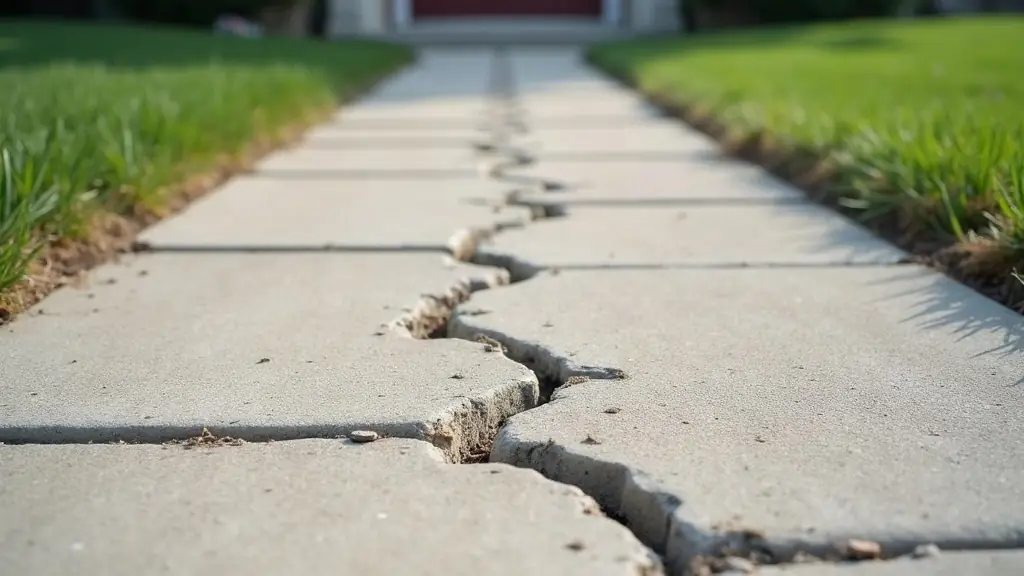
Naperville Epoxy Flooring repairs cracks in concrete floors in garages, basements and businesses across Naperville. We look at each crack with you, tell you how we plan to fill it, and send you a written quote before any work starts.
How we repair a crack
We start by opening the crack up a little with a hand grinder, so the filler has clean, solid concrete to grip. We vacuum out the dust and then fill the crack. Once the filler is hard, we grind it flat so it sits level with the rest of the floor.
We also fill cracks before we lay a new coat, such as our garage floor epoxy, a basement epoxy floor or a flake epoxy floor.
Keeping the dust down
OSHA's silica rule for building work says a hand grinder used indoors needs a shroud and a dust collection system. The shroud on the hand grinders we use is a cover around the spinning wheel, and the vacuum hose connects to it.
OSHA says concrete contains crystalline silica. It says grinding concrete creates very small particles of it, at least 100 times smaller than ordinary sand you might find on beaches and playgrounds. OSHA says workers who breathe those particles in are at higher risk of serious diseases, including lung cancer and silicosis, an incurable lung disease. So our vacuum stays on the whole time we open up a crack.
The filler we use
NIOSH, which is part of the CDC, says epoxies and resins are chemicals that can combine to form a hard, strong surface when they cure, or dry. NIOSH says that before they cure, some epoxy parts can be harmful, and that as epoxies cure they generally turn into much less toxic materials. We mix the filler on site and ask you to keep kids and pets out of the room until it has set.
Cracks and radon
The EPA says radon is a radioactive gas that comes from uranium found in nearly all soils. It says radon moves up through the ground and into your home through cracks and other holes in the foundation, and that your home can trap it inside, where it builds up.
The EPA lists sealing the cracks in a concrete floor as one of the basic ways builders keep radon out of new homes. But it also says it does not recommend sealing alone to limit radon, because sealing alone has not been shown to lower radon levels by much or every time. So we fill the cracks in your floor, but we never sell that as a radon fix.
Cracks outside
OSHA's silica rule for building work says a hand grinder can use a steady feed of water on the spot being ground, but only for work done outdoors, or else a cover around the wheel with a dust collection system. We grind some outdoor cracks wet, and the water and concrete dust mix into a gray mud we call slurry.
The EPA says storm drains drain directly to lakes, streams, rivers and wetlands. So we pick up the slurry. We never hose it into the street or a drain.
Cracks in business floors
OSHA says falls on the same level, on a working surface, are among the leading causes of serious work-related injuries and deaths. Its rule for floors at work says a hazard on a floor has to be fixed before an employee uses that floor again, and if it can't be fixed right away, it has to be guarded so no one uses it. We can fill a crack in one area while the rest of your floor stays open.
What to get in writing
Ask for these in writing, whoever you hire:
- Which cracks will be filled, and how many.
- What the cracks will be filled with.
- Whether the filled cracks will be ground flat with the floor.
- How the dust will be kept down and cleaned up.
- Whether a new coat goes over the floor afterward, and if so, which one.
- When you can use the room again.
Questions about concrete crack repair in Naperville
Will the crack show through a new coat?
It can, so we tell you once we've seen the floor whether a filled crack is likely to show under the coat you've picked.
How do I know if my home has radon?
The Illinois Emergency Management Agency says you can't see, smell or taste radon. It says testing is cheap and easy, and is the only way to know whether you are at risk.
Who should fix a radon problem?
The Illinois Emergency Management Agency recommends hiring a licensed radon mitigation professional to lower radon in your home, the same way you would hire a licensed plumber. We fill cracks, and we leave radon work to them.
Can you fix just one crack?
Yes, we can fill just one crack. If you plan to coat the floor later, we'll tell you whether the filler we use will take that coat.
Can you fix cracks in an old epoxy floor?
Yes, we can fill a crack that has come up through an old coat. Our epoxy floor repair page covers fixing the coat around it.
What should I do with leftover filler in my garage?
The Illinois EPA says one of its long-term household hazardous waste drop-off sites is in Naperville. It says its collections take items such as paints and thinners, but business wastes are not accepted.
How much does concrete crack repair cost?
We price your cracks once we've seen the floor, and you get that quote in writing.
Get a quote for concrete crack repair
Call us, or send the quote form with your ZIP code and a note about your floor. We'll look at the cracks, go through the options with you, and give you a written quote. To see the other floors we coat, go to the Naperville Epoxy Flooring home page.
Ready to talk about your epoxy flooring job?
Send the quote form with your ZIP code and what you need. We will get back to you with a written quote.